
Career advice · Updated November 2026
Casual Jobs in Industrial Area Nairobi: How Hiring Works and the Legal Daily Rate in 2026
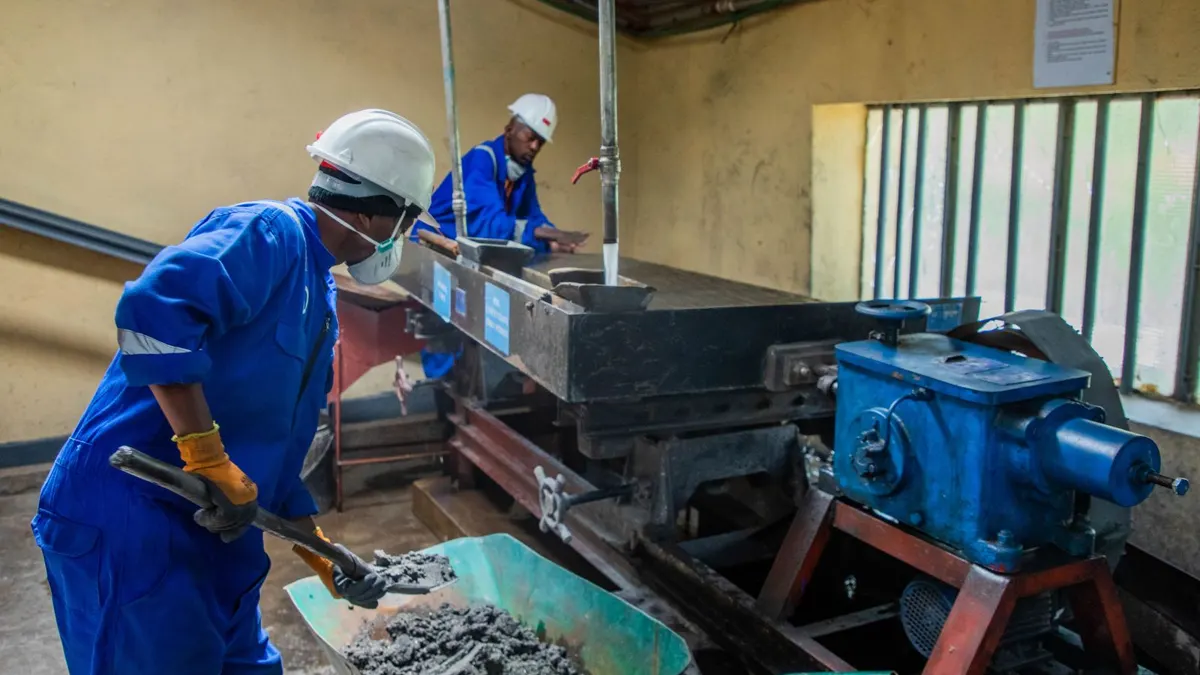
Looking for casual jobs in Industrial Area? Nairobi’s Industrial Area, together with nearby areas along Mombasa Road, Enterprise Road and Baba Dogo, is where many Nairobi factories, warehouses and distributors hire day workers. This guide explains how casual hiring there usually works, the legal minimum daily rate you must be paid under the 2026 wage order (KSh 868.44 a day for a general labourer in Nairobi), what changes once you have worked a month, and how to avoid people who sell fake “kibarua” slots.
The legal minimum daily rate for casual work in Nairobi (2026)
The rates are set by the Regulation of Wages (General) (Amendment) Order, 2026, Legal Notice No. 108 of 2026, gazetted on 26 June 2026 and in force from 1 May 2026. Nairobi falls in the city column (Nairobi, Mombasa, Kisumu, Nakuru and Eldoret). The daily and hourly rates include housing allowance, so an employer cannot pay the daily rate and then deduct “housing”.
| Occupation (as named in LN 108/2026) | Daily rate, Nairobi (KSh) | Hourly rate, Nairobi (KSh) |
|---|---|---|
| General labourer (incl. cleaner, sweeper, day watchman, messenger) | 868.44 | 161.34 |
| Turnboy, waiter, cook, stone cutter, miner, logger, line cutter | 936.88 | 175.46 |
| Night watchman | 966.02 | 181.64 |
| Machine attendant, machine assistant, mass production machinist, bakery worker, tailor’s assistant | 982.70 | 188.47 |
| Ungraded artisan | 1,171.35 | 219.28 |
| Artisan Grade III | 1,474.32 | 272.64 |
| Driver (heavy commercial vehicles), cashier, salesman driver | 1,960.60 | 366.96 |
These are minimums. An employer can pay more, never less. A general labourer who works six days at the minimum earns at least KSh 5,210.64 for the week (6 × 868.44). Most packing, loading and cleaning work in Industrial Area falls in the first row. If you operate or assist on a production machine, check the machine attendant row: it pays more. The full schedule and the monthly equivalents are in our minimum wage guide and on the general labourer salary page. Business Radar’s minimum wage 2026 summary covers the gazettement.
Overtime is paid on top. Under the General Order, overtime on normal days is paid at 1.5 times the hourly rate and work on rest days and public holidays at 2 times. Our overtime calculator does the arithmetic, and working hours and overtime in Kenya explains the 52-hour rule.
How casual hiring in Industrial Area usually works
There’s no single system, but most day jobs come through one of these routes:
- Gate hiring. Some factories and warehouses pick casuals at the gate early in the morning when they have a big order, a delivery to offload or a stock count. Arrive early, be presentable and carry your ID. Those who are reliable tend to be called back.
- Labour contractors and outsourcing firms. Many larger firms don’t hire casuals directly. They use a contractor who supplies workers and pays them. You are then the contractor’s employee, and the contractor must meet the minimum wage.
- Referrals. Supervisors often call back workers they know or people recommended by current casuals. Keep a good relationship with supervisors and keep your phone on.
- Advertised vacancies. Some firms advertise “general workers”, “packers” or “machine operators” on job boards. Check the latest jobs in Nairobi listings and filter by location.
Work you are most likely to be offered includes loading and offloading, packing and labelling, sorting, cleaning, machine assisting, and seasonal stock-taking. Machine operation pays better but usually needs experience. See the machine operator salary page for typical pay.
What to carry
- Original national ID, plus a few copies;
- your KRA PIN, NSSF and SHA numbers if you have them (contractors often ask for them before paying);
- a mobile money number registered in your own name, since many contractors pay by M-Pesa; and
- safety boots if you have them, although protective gear for the job is the employer’s responsibility.
Your rights as a casual worker
The Employment Act defines a casual employee as someone paid at the end of each day and not engaged for more than 24 hours at a time. Being casual does not remove your basic rights:
- Minimum wage applies from the first day (table above).
- Work injury cover applies. Casuals employed for the purposes of the employer’s business are covered by the Work Injury Benefits Act. If you are hurt at work, report it immediately and read our work injury compensation guide.
- Conversion to a monthly contract. Under section 37 of the Employment Act, once you have worked continuously for the equivalent of a month, or on work that needs three months or more, you are treated as a monthly-paid employee with notice and other protections. Our casual workers’ rights guide explains this in detail.
Keep a simple record of every day you work: date, hours, the supervisor’s name and what you were paid. It is the evidence you will need if pay is short or you later claim conversion under section 37.
Scams and red flags
- Paying for a slot. Never pay a “broker” at the gate or on WhatsApp to be put on a list. Genuine employers and contractors don’t charge workers to be hired.
- “Training fees” or “uniform fees” taken before you start.
- Pay below the gazetted rate, or a “rate” that is supposed to include housing on top of the daily rate. The daily rate already includes housing.
- Promised factory jobs abroad through someone you met at a gate. Check any such offer with our fake job advert checker.
If you are underpaid, raise it first with the supervisor or contractor, then with the county labour office. Section 37 conversion and unpaid wage claims can go to the Employment and Labour Relations Court.
Frequently asked questions
What is the minimum daily rate for casual workers in Nairobi in 2026?
For a general labourer, KSh 868.44 a day or KSh 161.34 an hour, including housing allowance, under Legal Notice 108 of 2026, in force from 1 May 2026.
How do I get casual jobs in Industrial Area?
Mostly through early-morning gate hiring at factories and warehouses, labour contractors that supply workers to big firms, referrals from supervisors and current casuals, and advertised vacancies for packers or general workers.
Do casual workers get paid overtime in Kenya?
Yes. Overtime on normal days is paid at 1.5 times the hourly rate and on rest days or public holidays at 2 times, on top of the minimum rate.
When does a casual worker become permanent in Kenya?
Under section 37 of the Employment Act, a casual who works continuously for the equivalent of a month, or on work that needs three months or more, is treated as a monthly-paid employee with notice protection.
Should I pay someone to get a casual job?
No. Paying a broker for a place on a hiring list is a scam. Genuine employers and labour contractors don't charge workers to be hired.
Latest jobs in Kenya
- Assistant Fund Administrator · Fusion Estate Management Limited (FEM)
- Data Manager - Kisumu · Kenya Medical Research - KEMRI
- Assistant Risk and Compliance Officer · World Vision Kenya
- Video Content Producer · Ol Pejeta Conservancy (OPC)
- Finance Associate (3-Month Contract) · Red Giant Media Agency
- HSE Officer – Upstream Waste Management Project · WTS Energy