Career advice · Updated October 2026
NSSF Haba Haba: How Self-Employed Kenyans Can Save for Retirement From KSh 25 a Day
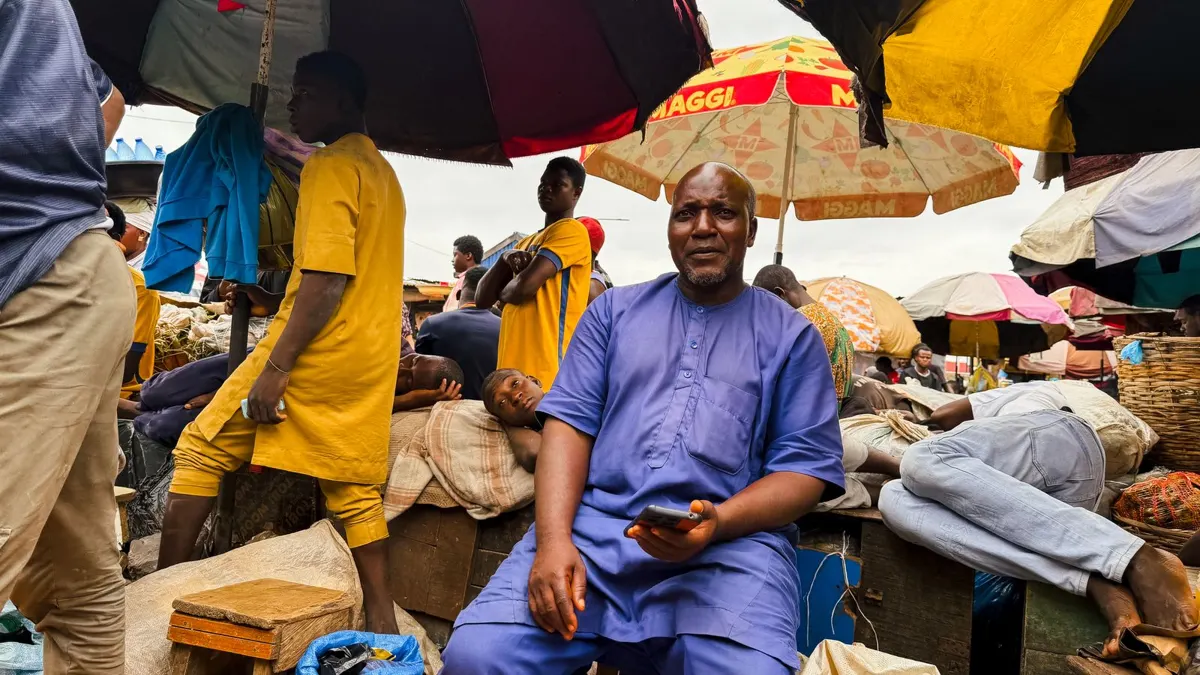
If you run a kiosk, ride a boda boda, sell at a market, do casual work or earn from online gigs, nobody deducts NSSF from your pay. That leaves most Kenyans in the informal sector with no pension at all. NSSF Haba Haba is the National Social Security Fund’s mobile savings product for exactly this group: you save small amounts whenever you have money, straight from your phone. This guide explains how it works, what you can withdraw and when, and how it differs from ordinary NSSF voluntary membership.
What NSSF Haba Haba is
According to the NSSF Haba Haba page, Haba Haba is a flexible savings product for members in the informal sector, people whose income may be irregular and who are not contributing through formal employment. The NSSF lists these saving options:
- KES 25 per day;
- KES 175 per week;
- KES 400 per month; and
- extra voluntary contributions whenever you wish.
You do not need a smartphone. Dial *254# and choose NSSF Haba Haba to register, contribute, check your balance and use the other services. The account is linked to your national ID, so you keep access to your savings if you change your phone number.
The Haba Haba terms and conditions say membership is open to any Kenyan citizen, person ordinarily resident in Kenya or member of the diaspora aged 18 or over, whether they work in the informal or formal sector. Contributions can be made by the member or on their behalf by a company, association or self-help group, which lets a chama or welfare group save for its members.
How your money is split
Every contribution is divided automatically, and the split cannot be changed:
| Portion | Share of each contribution | What it is for |
|---|---|---|
| Short-term savings | 30% | A cushion you can draw on for daily cash-flow shocks, under the Haba Haba withdrawal terms |
| Long-term savings | 70% | Retirement savings, preserved for the future |
Save KES 400 in a month, for example, and KES 120 goes to short-term savings and KES 280 to long-term savings. NSSF says the savings earn interest, and you can nominate up to three beneficiaries and set the percentage each one gets.
When you can withdraw
The rules differ for the two portions, so read them before you start:
- Short-term savings: the terms set a lock-in of at least one year for new members before they can start withdrawing, with withdrawals processed within 24 hours after that.
- Long-term savings: the Haba Haba page says that after five years, 50% of the long-term savings becomes available for withdrawal while the rest stays invested. The terms and conditions say members may access up to 50% of their accumulated contributions and interest at age 50, with the balance payable at the retirement age of 60.
Because the two documents describe the long-term rules differently, confirm the current position with NSSF on *254# or its customer service before you plan around a specific date.
The terms also cover benefits for invalidity, survivors (paid to your nominated beneficiaries), and members who emigrate permanently, who can claim their whole balance as a lump sum.
Business Radar explains the bigger picture on the retirement age in Kenya and how income drawdown works when you start drawing a pension.
Extra benefits for NYOTA participants
The terms include special rules for youth on the NYOTA programme:
- Matching: for every KES 2 a participant saves voluntarily in Haba Haba, the project adds KES 1, on savings of up to KES 6,000, so the maximum match is KES 3,000. Matching applies to the 70% long-term share.
- Maternity benefit: eligible female beneficiaries who opt in on *254# and pay a non-refundable KES 400 premium a month for four consecutive months can receive KES 4,000 a month, up to KES 16,000 in total, once in the programme’s life.
If you are on NYOTA, ask the programme or NSSF to confirm your eligibility before you rely on these benefits.
Haba Haba or ordinary voluntary membership?
NSSF also lets self-employed people join as ordinary voluntary members. You visit an NSSF office with your national ID, alien card or passport and a photocopy, pay a minimum first contribution of KES 200 to activate membership, and receive an NSSF card. Top-ups are made by dialling *222# and paying through M-Pesa.
| Haba Haba | Voluntary member | |
|---|---|---|
| How to join | Dial *254# | Visit an NSSF office |
| Minimum | KES 25 a day, 175 a week or 400 a month | KES 200 first contribution |
| Access to part of savings early | Yes, the 30% short-term portion after the lock-in | Follows ordinary NSSF benefit rules |
| Best for | Irregular daily income | People who can commit larger, less frequent amounts |
If you already have an NSSF number from a past job, Haba Haba is a separate product. For your regular account, NSSF directs members to *303# or WhatsApp 0704 303303.
Making it work on an irregular income
- Tie saving to income days. Save on market days or when a client pays, rather than waiting for month-end.
- Start small and stay consistent. KES 25 a day adds up to about KES 9,000 a year before interest.
- Name your beneficiaries on day one and update them when your family changes.
- Protect your account. Only use the official *254# code and NSSF’s own channels, and never share your M-Pesa PIN with anyone who calls offering to “activate” your account.
If you have just left a job to work for yourself, read Business Radar’s guide on moving from employment to running your own business. Formal workers can see what NSSF takes from a payslip with our NSSF calculator and our guide to NSSF, SHIF and the housing levy. Casual workers should also know their rights in our casual workers’ rights guide, and online earners can find genuine work on our online gigs page.
Key takeaways
- NSSF Haba Haba lets informal-sector workers save from KES 25 a day by dialling *254#.
- Every contribution is split 30% short-term and 70% long-term, and the split is fixed.
- Short-term savings have a lock-in of at least a year for new members; confirm the long-term withdrawal rules with NSSF.
- Ordinary voluntary membership is a separate option that starts with KES 200 at an NSSF office.
Frequently asked questions
How do I register for NSSF Haba Haba?
Dial *254# on your phone, choose NSSF Haba Haba and follow the prompts. You need your national ID, because the account is linked to it. No smartphone is required.
What is the minimum contribution for NSSF Haba Haba?
NSSF lists KES 25 a day, KES 175 a week or KES 400 a month, and you can add extra voluntary contributions at any time.
Can I withdraw my NSSF Haba Haba savings?
Part of them. 30% of each contribution goes to short-term savings, which new members can access after a lock-in of at least one year. The 70% long-term portion is for retirement, with partial access under NSSF's rules; confirm the current rules with NSSF before planning.
Is Haba Haba the same as my NSSF account from employment?
No. NSSF describes Haba Haba as a separate product. Regular NSSF member services are on *303# or WhatsApp 0704 303303.
Latest jobs in Kenya
- Audit Intern · Express Shipping & Logistics (EA) Limited (ESL)
- Medical Sales Representative · Machakos Imaging Centre
- Customer Experience Executive · Liberty Life
- Insurance Sales Representative · Jubilee Insurance
- Admin/Receptionist · Brainstorm Insurance
- Instructional Designers- FTC · Britam