Career advice · Updated October 2026
Child Employment Laws in Kenya: The Minimum Age, Light Work and What Is Banned
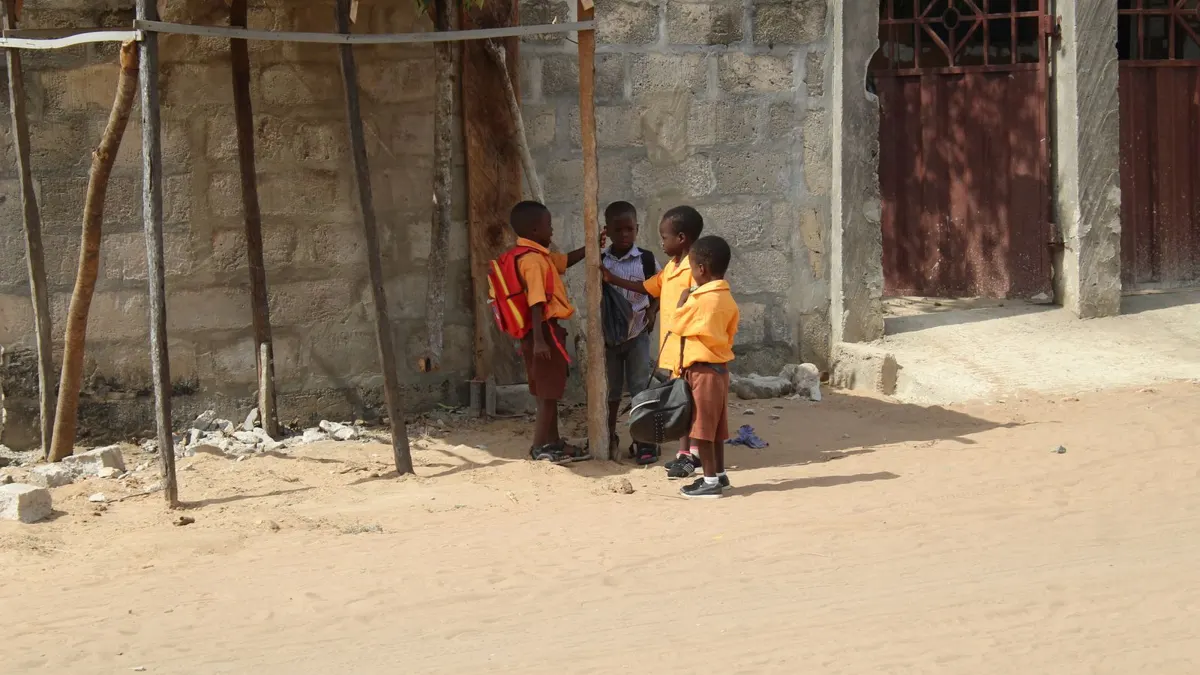
Can a 15-year-old help in a family shop during the holidays? Can a 17-year-old who has just finished KCSE take a job in a hotel or a factory? The answers are in Part VII of the Employment Act, 2007, which sets out the child employment laws in Kenya. They set a minimum age, allow only “light work” for younger teenagers, ban the worst forms of child labour outright, and carry heavy penalties. This guide covers what parents, young job seekers and employers need to know.
Who counts as a child
Section 2 of the Act defines a child as anyone under 18. It also defines a young person as a child who has reached 16 but not 18. Those two definitions create three age bands:
| Age | What the law allows |
|---|---|
| Under 13 | No employment at all, paid or unpaid, in any undertaking (s.56(1)) |
| 13 to 15 | Light work only, on a verbal contract, that does not harm health or schooling (s.56(2), s.57) |
| 16 and 17 | Employment is possible, but not in the worst forms of child labour, and with limits on night work and machinery |
Article 53(1)(d) of the Constitution sits behind all of this. It gives every child the right to be protected from hazardous or exploitative labour.
What counts as “employment” of a child
Part VII uses a wide definition in section 52. A child is “employed” if the child provides labour as an assistant to another person whose pay covers the child’s work, if the child’s labour is used for gain by any person or institution (whether or not the child benefits), or if there is a contract for services where the child provides the service. So a child helping an adult on a piece-rate job, or working for “pocket money” in a business, can fall within the law even without a formal job.
Under 13: a complete ban
Section 56(1) is direct: no person shall employ a child who has not reached 13, “whether gainfully or otherwise in any undertaking”. There is no light-work exception for this age group.
Ages 13 to 16: light work only
Section 56(2) allows a child aged 13 to 16 to do light work that is:
- not likely to harm the child’s health or development; and
- not such as to prejudice the child’s attendance at school, participation in approved vocational training, or ability to benefit from instruction.
Several safeguards apply on top of that:
- Verbal contracts only. Under section 57, employing a 13 to 16-year-old other than under a verbal contract is an offence, unless it is an apprenticeship or indentured learnership under the Industrial Training Act. The fine is up to KSh 100,000, imprisonment up to six months, or both. The rule seems odd, but its aim is to stop children being bound into long written contracts.
- No machinery. Section 58(1) bars employing a 13 to 16-year-old to attend to machinery in an industrial undertaking, except an apprentice.
- Shorter days. Under paragraph 5 of the Regulation of Wages (General) Order, no person under 16 may be required to work more than six hours in any day, and paragraph 7 says their weekly rest day cannot be deferred.
Ages 16 and 17: young persons
A 16 or 17-year-old can be employed, for example in a shop, a hotel or an office. Our internships guide and first job guide are useful for older students, but several restrictions still apply until 18:
- No mines. Section 58(2) bars employing any child in opencast workings or underground workings entered by a shaft or adit.
- No night work in industry. Section 59(1) bars employing a child in an industrial undertaking between 6.30 p.m. and 6.30 a.m. There are narrow exceptions: section 59(2) allows a male young person to work during an unforeseen emergency that disrupts the business, and section 59(3) lets the Cabinet Secretary authorise a young person to work at night for a set period, on conditions. “Industrial undertaking” covers mines, factories and construction, among others.
- No worst forms of child labour, explained below.
Young workers are also employees with full rights. A 17-year-old is entitled to at least the minimum wage, annual leave and the other protections in the Act. See our guide to the minimum wage in Kenya.
The worst forms of child labour
Section 53(1) says no person shall employ a child in any activity that is a worst form of child labour, regardless of any other law. Section 2 defines the worst forms as:
- slavery or practices similar to slavery, including the sale and trafficking of children, debt bondage, serfdom and forced recruitment for armed conflict;
- using, procuring or offering a child for prostitution or pornography;
- using a child for illicit activities, especially producing or trafficking drugs; and
- work which, by its nature or circumstances, is likely to harm the health, safety or morals of the child.
Under section 53(2), the Cabinet Secretary may make regulations declaring specific work harmful to children. Using a child in a worst form of child labour carries a fine of up to KSh 200,000, imprisonment of up to 12 months, or both, under section 64(2).
Employer duties and penalties
- Register. Section 61 requires an employer who employs a child to keep a register with the child’s age and date of birth, the dates of starting and leaving, and other prescribed details, handled in line with the Data Protection Act.
- Medical checks. Under section 62, a labour officer, employment officer or medical officer may require a child employee to be medically examined at any time.
- Age disputes. If there is no good evidence of age, section 63(3) lets a medical officer estimate it, and that estimate stands until proved wrong. Ask for a birth certificate or ID before hiring.
- Penalties for death or injury. If a child is killed or injured because the employer broke Part VII, section 65 adds a fine of up to KSh 500,000, imprisonment of up to 12 months, or both. The fine can be applied for the benefit of the child or family.
Section 64(3) gives one defence: that the employer genuinely had reason to believe the child was above the age limit. Checking documents is how an employer makes that defence credible.
How to report child labour
Section 54(1) lets anyone complain to a labour officer, or to a police officer of the rank of inspector or above, if they believe a child is in a worst form of child labour. Under section 54(2), the officer must investigate within seven days and report back to the person who complained and to the Cabinet Secretary. If they decide not to investigate, section 54(3) requires them to say why in writing.
Labour officers also have power under section 55 to cancel a child’s contract, or bar a person from employing children in a type of work, where the employer is “undesirable” or the work is a worst form of child labour. An appeal lies to the Employment and Labour Relations Court within 30 days.
Holiday jobs and family businesses: practical rules
- A 14-year-old helping on a family farm or in a shop for a few hours during the school holidays may be within “light work”, as long as it is safe, it does not involve machinery and it does not affect school.
- A 16-year-old taking a holiday job in a supermarket should be paid at least the minimum wage, should not be working machinery in an industrial setting, and should not work nights in a factory.
- Any work that damages health, safety or morals, such as carrying heavy loads, spraying chemicals or working in bars, is a worst form of child labour at any age under 18.
When young job seekers turn 18, they need the usual documents, including an ID and KRA PIN. Our guide to documents required for jobs in Kenya lists them, and Business Radar explains the 2026 minimum wage rates by job and town.
Key takeaways
- No child under 13 may be employed in any undertaking.
- Children aged 13 to 16 may do only light work that is safe and does not affect schooling, on a verbal contract, for no more than six hours a day.
- 16 and 17-year-olds can work, but not in mines, not at night in industrial undertakings (with narrow exceptions), and never in the worst forms of child labour.
- Employers must keep a register of child employees, and penalties run up to KSh 500,000 where a child is injured.
- Anyone can report child labour to a labour officer or a police inspector, who must investigate within seven days.
Read the plain-English guide to the Employment Act for the wider picture, and see jobs in Kenya for adult job seekers. Older students can prepare with our free CV builder and check a first payslip with the net salary calculator.
Frequently asked questions
What is the minimum age for employment in Kenya?
Section 56(1) of the Employment Act bars employing any child under 13. Children aged 13 to 16 may only do light work that does not harm their health, development or schooling, and anyone under 18 is protected from the worst forms of child labour.
Can a 16-year-old work in Kenya?
Yes. A 16 or 17-year-old is a "young person" and can be employed, but not in mines, not at night in an industrial undertaking between 6.30 p.m. and 6.30 a.m. except in narrow cases, and never in work that harms health, safety or morals.
How many hours can a child work in Kenya?
Under paragraph 5 of the Regulation of Wages (General) Order, no person under 16 may be required to work more than six hours a day, and their weekly rest day cannot be deferred.
Where do I report child labour in Kenya?
Report it to a labour officer or to a police officer of the rank of inspector or above. Section 54 of the Employment Act requires them to investigate within seven days and report the findings, or explain in writing why they will not investigate.
Latest jobs in Kenya
- Nurse · Scanlab Kenya
- Sales Developer 100% Remote (Energy Solutions) · Solvo Global
- Project Manager Intern · BURN
- Customer Operations Officer - Insurance · M-KOPA Solar
- Senior Technical Manager, Nature Markets · Conservation International
- HR & People Operations Officer · a Reputable Company